Cow Head Sketch: A Designer's Review for Real Projects
When I first pulled up the Cow Head Sketch file on my digitizing screen, I wasn't looking for flashiness. As someone who spends hours hooping fabric and threading needles for clients, I look for reliability, character, and stitch logic. This design immediately struck me as a perfect blend of rustic charm and modern minimalism. It fits squarely into the Farm Animals category but avoids the cartoonish trap that so many agricultural designs fall into. Instead, it offers a sophisticated line-work aesthetic that feels at home in a high-end boutique just as easily as it does in a cozy farmhouse kitchen.
First Impressions: Mood and Visual Personality
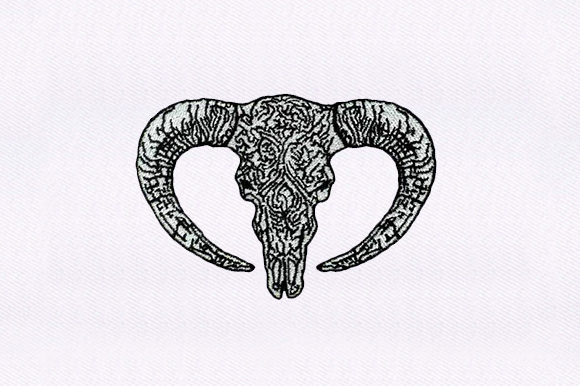
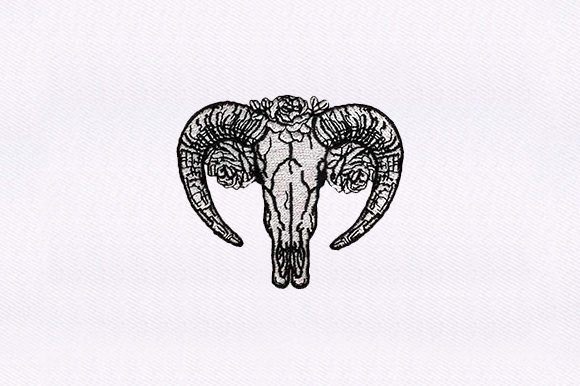
The visual personality of the Cow Head Sketch is defined by its clean lines and balanced composition. It doesn't rely on heavy saturation or complex shading to make an impact. The "sketch" style implies a hand-drawn quality, which translates beautifully into machine embroidery design terms. It likely utilizes a combination of running stitch for outlines and perhaps light fill stitch or satin stitch accents to give the eyes or nose definition without creating a dense, cardboard-like texture.
This approach creates a mood that is gentle, organic, and inviting. For a designer, this is gold. It means the design won't overpower the garment it lives on. Whether you are working on a tote bag design for a local market or a sweatshirt embroidery project for a client, this sketch style allows the fabric texture to breathe. It feels less like a sticker slapped onto cloth and more like an integral part of the material itself.
Real-World Application: The Tote Bag Test
To truly evaluate this embroidery file, I imagined a specific real-life scenario: preparing a custom order for a local coffee shop that wants branded merchandise with a rural, sustainable vibe. They requested canvas tote bags. This is where Cow Head Sketch shines.
On a natural cotton canvas, the linear nature of the sketch would pop beautifully against the weave of the fabric. Unlike a solid block of color that might crack or feel stiff after repeated washing, a sketch-style design remains flexible. If I were stitching this for a small shop product, I would choose a contrasting thread color—perhaps a deep charcoal on cream canvas or a warm terracotta on denim. The result would be a handmade product that looks professional yet approachable.
Beyond tote bags, this design is incredibly versatile for custom apparel. Imagine it centered on the chest of a heavyweight hoodie or sleeveless on a linen apron. For baby embroidery, the soft lines are perfect for a nursery onesie, avoiding the scratchy feel of dense stitching against sensitive skin. It also works exceptionally well as an embroidered patch, where the open areas of the sketch can be filled with the background fabric of the patch itself, creating a unique layered effect.
Navigating Fabric Challenges and Stitch Density
While the Cow Head Sketch is versatile, a responsible designer knows that not every fabric is a friend to every design. Because this appears to be a detail-oriented sketch, stitch density management is crucial. On textured fabrics like waffle knit or heavy wool, fine running stitches can get lost or appear jagged. In these cases, I would recommend testing the design on a scrap piece first to ensure the lines remain crisp.
Similarly, when working with stretchy fabrics like jersey knits for t-shirts, the use of a proper stabilizer is non-negotiable. A sketch design relies on the integrity of its lines; if the fabric shifts during stitching, the "hand-drawn" illusion breaks, and the cow's features might look distorted. For dark fabrics, you must verify that the design includes underlay stitches or enough coverage to prevent the background color from showing through the gaps in the sketch. If the file is primarily outline-based, it might disappear on a black sweatshirt unless you adjust the thread colors or add a subtle backing.
Curved surfaces, such as caps, present another challenge. The forehead area of a cap is narrow. If the Cow Head Sketch is too wide, it might wrap awkwardly around the curve, distorting the perspective of the animal's face. Always check the recommended hoop size and compare it to your specific hoop capabilities before committing to a batch of hats.
Enhancing Brand Value and Customer Trust
In the world of Etsy seller ventures and craft business growth, the perceived value of your finished product often hinges on the clarity and professionalism of the design. A blurry or poorly stitched image screams "amateur," but a crisp, well-executed sketch builds immediate trust. The Cow Head Sketch elevates the perceived quality of the item because it looks intentional and artistic.
For those creating printable mockup assets or digital previews for their online stores, this design photographs exceptionally well. The high contrast between the thread and the fabric creates sharp images that translate nicely to screens, helping to drive buyer engagement. Whether used for holiday embroidery gifts or year-round boutique branding, the consistency of this design helps establish a recognizable visual identity for your brand.
Practical Notes for the Professional Maker
Before you start stitching this digital embroidery file for a commercial run or a personalized gift, here are a few practical steps I always take:
- Test on Scrap Fabric: Never skip this. Stitch the design on the exact same material and weight you plan to use for the final product to check for puckering or registration issues.
- Check Thread Contrast: Since it is a sketch, the relationship between the thread color and fabric color is vital. Test it in black and white mockups first to see if the lines hold up without color reliance.
- Review Small Details: Zoom in on the eyes and nostrils. Ensure that tiny details won't merge together after washing, especially if using a lower thread count.
- Verify Licensing: If you are an Etsy seller or running a small shop product line, confirm the license terms. Can you sell the finished physical items? Are there restrictions on the number of units? Always clarify this before marketing your goods.
- Stabilizer Selection: Match your stabilizer to the fabric, not just the design. A cut-away might be better for stretchy garments to preserve the sketch lines long-term, while tear-away works for stable wovens.
Ultimately, the Cow Head Sketch is a strong contender for any designer's library. It bridges the gap between trendy farmhouse aesthetics and timeless embroidery art. By understanding its strengths and respecting its limitations regarding fabric choice and stabilization, you can create stunning commercial embroidery pieces that customers will love and wear with pride. It is a reminder that sometimes, the simplest lines tell the best stories.