Ghost Scribble Stitch Review for Business Merch
As an embroidery designer who spends most of my days digitizing logos and troubleshooting stitch-outs for local businesses, I approach new machine embroidery design files with a critical eye. It is not just about whether a pattern looks cute on a screen; it is about how it performs on a cap, how it holds up on a washed apron, and whether it elevates a brand's identity. Recently, I evaluated the Ghost Scribble Stitch, a Halloween-themed design that promises versatility across five different sizes. For small business owners, Etsy sellers, and apparel decorators looking to add seasonal flair to their product lines, this review breaks down the practical application of this file beyond simple decoration.
First Impressions: Balancing Playfulness and Professionalism
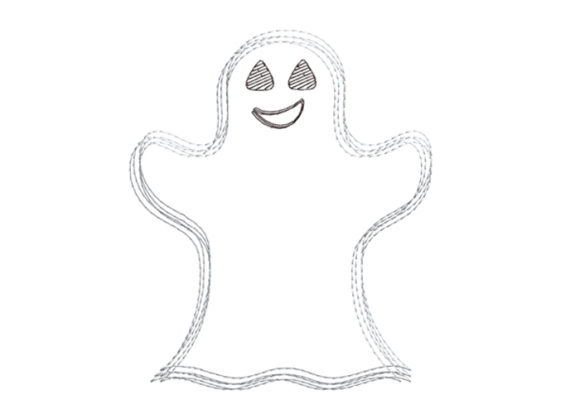
The title "Ghost Scribble Stitch" immediately suggests a specific aesthetic: handmade, slightly rustic, and undeniably playful. Unlike rigid, vector-perfect logos that can feel cold, a scribble style implies movement and human touch. This is crucial for small business merch where brands often want to project a friendly, approachable vibe. The inclusion of a color chart in the package is a significant plus, as it removes the guesswork for thread selection—a common bottleneck in production environments.
Visually, this design feels modern yet classic enough to avoid looking like a cheap novelty item. For a boutique bakery or a creative studio, this kind of embroidery file can serve as a perfect bridge between professional branding and seasonal celebration. It does not scream "disposable holiday decor"; rather, it suggests a thoughtful, limited-edition release that customers will want to keep wearing long after October ends.
Real-World Application for Branded Goods
The true test of any digital asset is its utility in commercial projects. The Ghost Scribble Stitch shines when applied to tangible business assets. Consider a local coffee shop wanting to outfit their baristas for the spooky season. Instead of cheap plastic pins, using this design on black aprons creates a high-value apron embroidery look that enhances staff uniformity while celebrating the holiday.
Furthermore, the availability of five sizes makes this design incredibly flexible for various custom apparel needs. Here is how I envision it working in a real production scenario:
- Embroidered Patches: The mid-to-large sizes are ideal for creating iron-on or sew-on patches. These can be sold as standalone products or added to denim jackets and tote bags as a premium upsell.
- Cap Embroidery: The smaller sizes could work beautifully on the side panel of a dad hat or the front of a beanie, provided the stitch density is manageable for the curved surface.
- Tote Bag Design: For florists or bookstores, stitching this onto canvas totes creates a reusable shopping bag that doubles as walking advertising.
- Chest Logos: On work shirts or hoodies, the design acts as a subtle chest accent, maintaining brand visibility without overwhelming the garment.
For Etsy sellers and crafters, this design also serves as an excellent element for printable mockup creation. By visualizing the stitch-out on various fabrics before committing to thread, you can present professional proofs to clients, increasing trust and conversion rates.
Technical Considerations and Potential Pitfalls
While the artistic merit is clear, a professional must address the technical constraints. The term "scribble" often implies random, overlapping lines, which can translate to high stitch density in machine embroidery. High density is the enemy of small details. If you attempt to use the smallest size option for a tiny embroidered patch or a child's garment, you risk the stitches merging into an unreadable blob, especially on textured fabrics like towels or fleece.
Curved surfaces present another challenge. When applying this to a structured cap, the distortion of the fabric can warp the "scribble" effect, making it look unintentional rather than stylistic. Additionally, if your client requests this on dark uniforms, you must carefully review the thread colors suggested in the included chart. A lack of contrast here could render the ghost invisible against a black background. Always test on the actual fabric texture you intend to use; a design that pops on broadcloth might sink into heavy twill.
Designer Notes for Flawless Execution
To ensure the Ghost Scribble Stitch meets commercial standards, I recommend the following workflow before running a full production batch:
- Test in Monochrome First: Stitch the design using only black or white thread to verify that the shape holds up without relying on color blocking.
- Verify Hoop Size: Although the description mentions multiple formats, always confirm the specific hoop size required for the largest version to ensure it fits your machine's capacity.
- Stabilizer Selection: Given the likely complex nature of a scribble design, use a cut-away stabilizer for stretchy fabrics like t-shirts to prevent puckering over time.
- Check Spacing: Inspect the spacing between the scribble lines. If they are too close, they may cause thread breaks or bird-nesting during high-speed commercial embroidery.
- Client Mockups: Create a physical sample or a high-quality digital composite to show clients exactly how the finished product will look before they approve the order.
- Licensing Verification: Crucially, confirm the commercial licensing terms. Just because a file comes with multiple formats does not automatically grant rights for unlimited resale of finished goods.
Elevating Brand Identity Through Seasonal Design
Incorporating a design like Ghost Scribble Stitch into your inventory does more than just sell a product; it strengthens brand identity. It shows customers that your brand is active, current, and attentive to detail. For handmade brands, using high-quality embroidery instead of screen printing for limited runs adds a perception of luxury and durability.
When a customer sees a well-executed embroidered ghost on a tote bag or a neatly stitched patch on a jacket, it reinforces trust in your craftsmanship. It signals that you care about the longevity of your design assets. In a crowded marketplace, these small touches of professionalism differentiate a hobbyist from a serious business owner. Whether used for employee gifts, customer loyalty rewards, or direct sales, this Halloween embroidery design offers a strategic way to engage buyers and boost perceived value.
Ultimately, the Ghost Scribble Stitch appears to be a robust addition to a designer's library, provided it is handled with technical foresight. By respecting the limitations of stitch density and fabric choice, small businesses can transform a simple digital file into a powerful tool for branding and revenue generation.