Sombrero Diablo Skull: A Designer's Review for Halloween Projects
When I first pulled up the Sombrero Diablo Skull on my screen, I didn't just see another seasonal graphic; I saw a potential flagship product for my autumn collection. As someone who spends hours tweaking digitized files and testing them on everything from thick hoodies to delicate linen, my first instinct is always skepticism. Does this design hold up under the needle, or is it just a pretty picture that will turn into a bird's nest of thread breaks? After spending time analyzing the layout and planning a real-world stitch-out, I'm ready to share how this machine embroidery design performs when it moves from a digital preview to a tangible handmade product.
First Impressions: Mood and Visual Personality
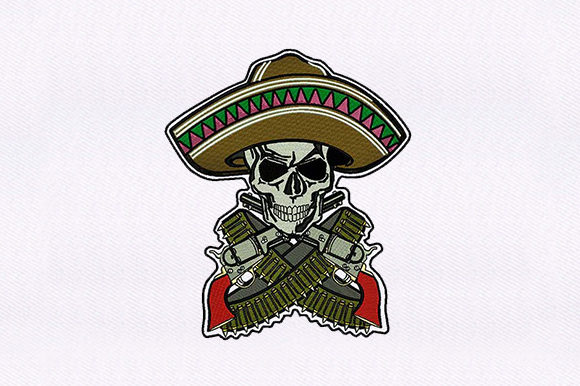
The immediate vibe of the Sombrero Diablo Skull is playful yet edgy. It captures that specific sweet spot of Halloween aesthetics where things are spooky enough to be fun but not so terrifying that they alienate customers looking for boutique-style decor. The silhouette is strong—the wide brim of the sombrero frames the skull perfectly, creating a balanced composition that reads well even from a distance.
What stands out most is the level of detail in the facial features versus the hat band. In many generic designs, these areas either blend together or are so dense they become stiff cardboard patches. Here, the separation seems intentional, suggesting a mix of satin stitch for the outlines and fill stitch for the broader areas. This variety in texture is crucial for visual appeal. If you are an Etsy seller or run a craft business, you know that customers touch everything. A design that feels flat and plastic-like often gets put back on the shelf. This design promises a tactile experience that adds value to your finished product.
Real-World Application: The Tote Bag Test Case
To truly evaluate this embroidery file, I imagined a specific scenario: creating a limited run of canvas tote bags for a local fall market. Canvas is a forgiving fabric, but it has a coarse fabric texture that can eat up fine details. The Sombrero Diablo Skull fits this application beautifully because its bold lines won't get lost in the weave of the material.
Picture a natural beige tote with the design stitched in high-contrast thread colors—perhaps charcoal grey for the skull, vibrant orange for the hat band, and black for the shadows. The result is a statement piece. It transforms a basic utility item into a personalized gift or a must-have accessory. For apparel decorators, this same logic applies to sweatshirt embroidery. On a heavyweight fleece, the design's density would provide excellent coverage without sinking into the nap of the fabric. It's versatile enough to work as a chest pocket accent or a large back print, depending on the hoop size you have available.
Versatility Across Product Lines
Beyond totes and sweatshirts, this design has legs for various other niches. Imagine it as an embroidered patch sewn onto a denim jacket or a backpack. The defined edges of the sombrero make it ideal for cutting out and applying as an appliqué-style element, even if the original file isn't strictly an applique design. For those focusing on home goods, a pillow cover or a kitchen tea towel featuring this skull could be a hit for holiday hosting. It bridges the gap between holiday embroidery and year-round bohemian decor, extending the shelf life of your inventory past October 31st.
Technical Considerations and Stitching Reality
While the visual potential is high, practical execution requires caution. No matter how "high-quality" a description claims a design to be, you must verify the technical specs before committing to a client order. One critical factor is stitch density. If the skull area is too dense, it can cause puckering, especially on stretchy fabrics like t-shirts or baby clothes. If you plan to use this for baby embroidery, I strongly advise running a test on scrap fabric first. You may need to adjust your tension or switch to a cut-away stabilizer to ensure the garment retains its softness.
Another consideration is the thread colors required. Complex gradients look amazing on screen but can be a nightmare to stitch if the color changes are too frequent. Check the stitch sequence in your editing software. Are there tiny jumps or excessive trims that will slow down production? For a small shop product line, efficiency is key. If the design relies heavily on running stitch for fine details, ensure your machine handles high speeds well, or slow it down to prevent breakage on those intricate corners of the sombrero brim.
Fabric and Hoop Constraints
Be mindful of where you place this design. Curved surfaces, like the front of a cap, can distort the circular symmetry of the skull if the hooping isn't perfect. The wide brim of the sombrero might also push the limits of smaller hoops. Always confirm the minimum hoop size required in the file documentation. If the design is too large for a standard 4x4 hoop, you might be limited in what products you can offer. Additionally, on dark fabrics, ensure the digitizer has included a proper underlay. Without it, the white or light-colored threads of the skull might look dull or allow the background fabric to peek through, ruining the crispness of the image.
Commercial Viability and Brand Impact
For digital product sellers and creative entrepreneurs, the licensing terms are non-negotiable. Before listing this as a design asset or using it to create printable mockups for your store, read the license agreement thoroughly. Can you sell the physical stitched items? Can you sell the digital file itself? Ambiguity here can lead to serious issues with platform policies on sites like Etsy. Assuming the license permits commercial use, this design offers strong brand consistency opportunities. Its unique character helps differentiate your shop from competitors selling generic pumpkins and ghosts.
Customer trust is built on quality. A clean, well-stitched Sombrero Diablo Skull signals professionalism. It tells the buyer that you care about the details, from the choice of thread to the stability of the stitch. Conversely, a poorly executed version with loose threads or puckered fabric can damage your reputation instantly. That is why testing is not optional; it is the foundation of a sustainable craft business.
Final Verdict for Makers
The Sombrero Diablo Skull is a compelling addition to any autumn catalog. It balances thematic relevance with artistic flair, making it suitable for a wide range of custom apparel and home decor projects. However, its success depends entirely on your preparation. Treat every new digital embroidery file as a variable in your production equation. Test it on different materials, check your stabilizer choices, and respect the limitations of your machinery.
If you approach this project with a designer's eye and a technician's precision, this skull can become a standout star in your lineup. Whether you are stitching a single personalized gift for a friend or rolling out a full collection for a boutique, the potential is there. Just remember: the difference between a good product and a great one often lies in the unseen details—the stabilizer, the tension, and the care you take before the first stitch ever hits the fabric.