Horse Riding Dude: A Pro Review for Business Merch
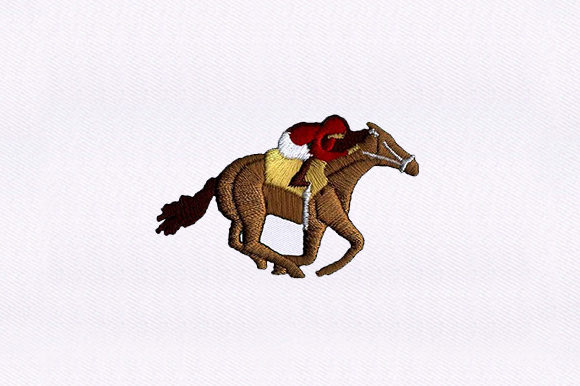
As an embroidery designer who has spent years digitizing and stitching for small businesses, I approach every new machine embroidery design with a critical eye. It is not just about whether a file looks pretty on a screen; it is about how that digital embroidery file translates into a tangible asset for a brand. Today, I am reviewing the Horse Riding Dude design. Based on its description as a high-quality piece suitable for various fabrics, this Sports category item holds significant potential for boutique owners, equestrian shops, and creative studios looking to elevate their small business merch.
First Impressions: Visual Personality and Brand Fit
When I first examine the concept of Horse Riding Dude, the immediate impression is one of approachable professionalism mixed with a touch of rustic charm. The title suggests a character-driven element, which is excellent for building brand identity. In the world of Embroidery, designs that feature figures or mascots often perform better than abstract logos because they create an emotional connection with the customer. This design feels friendly and bold, likely appealing to a demographic that values handmade quality and outdoor lifestyles.
For a local business, such as a riding academy, a pet brand focusing on equine care, or even a countryside café, this design offers a narrative. It is not merely decorative; it tells a story. When applied to custom apparel, it signals that the business understands its niche. The "high-quality" descriptor in the product details implies clean lines and thoughtful stitch placement, which are crucial for maintaining a premium look. However, without seeing the specific thread chart, one must assume a versatile color palette that can adapt to both light and dark garments.
Real-World Applications for Small Business Owners
The true test of any embroidery file is its versatility in commercial applications. Here is how Horse Riding Dude can be deployed effectively across different business scenarios:
- Embroidered Patches: This is perhaps the strongest use case. Creating a woven or merrow-edge patch with this design allows businesses to sell standalone products or attach them to jackets and bags. It serves as a collectible item for customers.
- Staff Uniforms and Aprons: For a boutique or a studio, stitching this design onto an apron embroidery project adds a personalized touch to staff uniforms. It breaks the monotony of plain workwear and fosters team spirit.
- Cap Embroidery: Placing the design on the front or side of a baseball cap is a classic move. Given the sports nature of the subject, it fits naturally on headwear, provided the digitizing accounts for the curve of the brim.
- Tote Bag Design: Canvas tote bags are staples for markets and events. A well-stitched Horse Riding Dude on a tote transforms a simple bag into a walking advertisement for the brand.
- Product Packaging Accents: Small versions of the design can be stitched onto fabric tags attached to packaging, enhancing the unboxing experience for handmade goods.
For Etsy sellers and craft business owners, using this design on limited-run items can create a sense of exclusivity. It works exceptionally well as a customer gift or event merch, reinforcing loyalty and recognition.
Technical Considerations and Production Challenges
While the potential is high, a professional review must address the technical hurdles. Not every design works everywhere. When planning to use Horse Riding Dude, consider the following constraints:
- Small Patch Sizes: If you intend to shrink this design for a small label or chest logo, verify the stitch density. High detail can turn into a muddy blob if the stitches are too close together at a reduced scale.
- Curved Surfaces: For cap embroidery, ensure the design does not have large solid fill areas that might pucker on the curved front panel. A experienced digitizer would have accounted for this, but it is worth checking.
- Fabric Texture: The description states it looks lovely on any fabric, but in practice, textured fabrics like heavy tweed or loose knits require careful handling. You may need a heavier cut-away stabilizer to prevent the design from sinking into the material.
- Dark Uniforms: Check the thread colors included in the file. If the design relies on light threads without a proper underlay or backing, it may look washed out on black or navy uniforms. Running a test stitch-out on dark fabric is essential.
- Frequent Washing: Items like aprons and work shirts undergo rigorous washing. Ensure the outline stitches are dense enough to withstand friction without fraying over time.
It is vital to note that the product description does not specify exact stitch counts, file formats, or precise hoop requirements. Therefore, before committing to a large production run, you must download the sample or preview to confirm these details match your machine's capabilities.
Impact on Brand Identity and Customer Trust
Incorporating Horse Riding Dude into your product line does more than add visual interest; it enhances perceived value. A professionally embroidered item suggests durability and attention to detail, qualities that customers associate with trustworthiness. When a customer sees a consistent design assets strategy—where the same high-quality motif appears on their shirt, their bag, and their receipt tag—it builds brand recognition.
For handmade brands, this level of finish distinguishes you from mass-market competitors. It elevates the finished product from a simple commodity to a curated experience. Furthermore, using a character-based design like this can increase buyer engagement on social media. Customers are more likely to post photos of unique, character-driven merch than generic text logos, providing you with free marketing through user-generated content.
Practical Designer Notes for Implementation
To ensure the best results when integrating Horse Riding Dude into your workflow, follow these professional guidelines:
- Test in Black and White: Before buying thread, print a grayscale version or stitch a monochrome sample to check contrast and definition.
- Verify Hoop Size: Confirm the dimensions fit your available hoops, especially if you are working with smaller machines or specific garment sections like sleeves.
- Create a Printable Mockup: Use digital tools to superimpose the design on photos of your actual products. This helps in client approval and visualizing the final look without wasting thread.
- Check Commercial Licensing: Always review the license terms associated with the digital embroidery file. Ensure you have the rights to use it for commercial purposes, especially if selling the patched items directly.
- Compare Beside Other Assets: Place the stitched sample next to your existing logo and branding materials to ensure visual consistency in style and tone.
- Inspect Spacing: Look closely at the spacing between elements. Tight spacing can cause thread breaks or bird nesting, while too much space can reveal the fabric underneath unpleasantly.
In conclusion, Horse Riding Dude represents a versatile opportunity for small business owners in the sports and lifestyle sectors. By treating it not just as a decoration but as a strategic branding tool, and by adhering to strict quality control during the stitching process, you can leverage this design to create memorable, high-value merchandise that resonates with your audience.