Red and Blue Bird: A Designer's Review for Real Projects
When I first pulled up the Red and Blue Bird file on my screen, I wasn't looking for flashiness; I was looking for utility. As a designer who spends hours hooping fabric and trimming jump stitches, my criteria are simple: does this design translate well from a digital preview to a tangible, stitched reality? This machine embroidery design immediately struck me with its classic charm. It isn't trying to be overly modern or abstract; instead, it leans into a timeless aesthetic that feels right at home on a nursery quilt or a boutique tote bag. The color palette suggested by the title promises a bold contrast, which is often a make-or-break factor in how a design reads from a distance.
First Impressions and Visual Personality
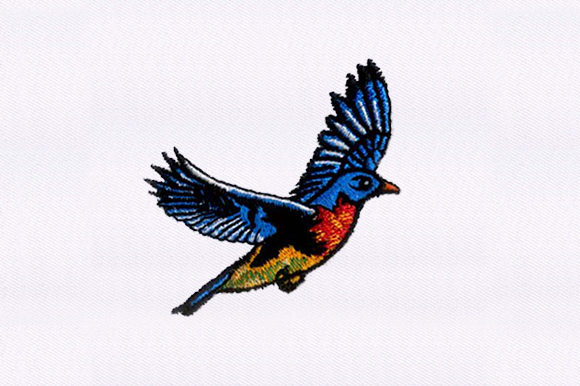
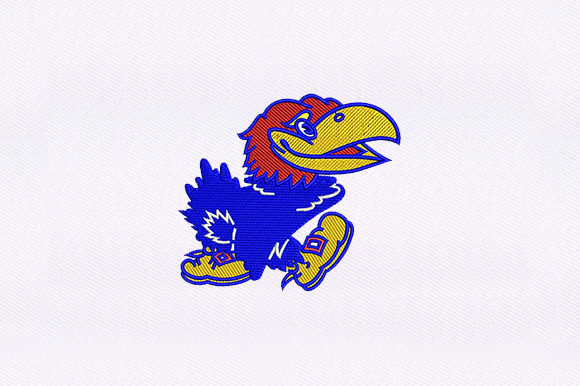
The layout of the Red and Blue Bird suggests a balanced composition. In the world of embroidery, shape is everything. A bird motif can easily become a blob of thread if the definition between the wing, body, and beak isn't clear. From what I can assess, this design appears to utilize a mix of stitch types to create texture. Typically, a design like this relies on satin stitch for the outlines and finer details like the eye or beak, while employing fill stitch for the body to ensure coverage without excessive bulk. The interplay between the red and blue hues is critical here; if the tones are too similar in value, the bird will lose its definition on certain fabrics. However, assuming standard thread choices, this combination offers high visibility, making it an excellent candidate for items that need to pop visually.
Real-World Application: The Boutique Tote Scenario
To truly evaluate this embroidery file, I imagined a specific client project: a custom order for a local farmer's market vendor who needed branded tote bag designs. She wanted something cheerful but professional. The Red and Blue Bird fits this brief perfectly. Picture a natural canvas tote; the earthy background allows the red and blue to sing. Unlike complex scenic designs that might get lost in the weave of canvas, a singular bird motif holds its own.
If I were stitching this for her, I would place it slightly off-center on the front panel. The result would be a handmade product that feels curated rather than mass-produced. Customers at craft fairs often gravitate toward nature themes, and birds specifically evoke a sense of freedom and lightness. This design could easily become a signature element for her brand, appearing not just on bags but also on aprons and tea towels. The versatility here is a major selling point for any Etsy seller or small shop product creator looking to expand their line without investing in entirely new art assets.
Performance on Different Fabrics and Garments
Not all fabrics treat embroidery kindly, and this is where a designer's eye must be critical. For sweatshirt embroidery, the Red and Blue Bird should perform well, provided the stitch density isn't too high. Heavy fleece can handle substantial thread coverage, but if the design is too dense, it may cause the fabric to pucker or the garment to feel stiff against the skin. On the other hand, using this for baby embroidery requires extra caution. Baby clothes are often made from delicate knits or thin cottons. If this design acts like a heavy applique design with thick borders, it might be too rigid for a onesie. In such cases, reducing the density or using a softer stabilizer is non-negotiable.
Curved surfaces present another challenge. If you plan to put this on a cap, the structural integrity of the bird's shape matters. Small details like the tail feathers or the tip of the beak can distort on the curved front panel of a hat. I would recommend testing this on a scrap piece of the actual cap material first. For flat items like pillow covers or kitchen towels, the design should lay flat and crisp, offering a clean finish that enhances the room's decor or the utility of the linen.
Critical Considerations for Commercial Use
For those running a craft business, consistency is key to building customer trust. If you sell the Red and Blue Bird as part of a personalized gift service, you need to know exactly how it behaves on dark versus light fabrics. A red bird on a navy blue shirt might vanish if the thread isn't vibrant enough or if there isn't an underlay stitch to bridge the gap. Always check the thread colors in your specific software and adjust them to match your inventory.
Furthermore, consider the washing instructions you give your clients. Designs with high stitch density can sometimes trap water or fray over time if not secured properly. If this design includes tiny running stitch details for texture, advise customers to wash items inside out. This level of forethought elevates your finished product from a simple craft item to a durable piece of custom apparel.
Designer Notes and Technical Checks
Before committing to a production run, there are several practical steps every professional should take with a new file like Red and Blue Bird:
- Test on Scrap Fabric: Never stitch a final product without a trial run. Use the same fabric weight and type you intend to sell.
- Check Stabilizer Compatibility: Depending on the fabric texture, you may need a cut-away stabilizer for stretchy materials or a tear-away for stable wovens.
- Review Hoop Size: Ensure the design fits comfortably within your hoop without hitting the edges, which can cause framing errors.
- Inspect Small Details: Zoom in on the digital preview. Are there tiny isolated stitches that might not catch? These can lead to loose threads in the final output.
- Verify Licensing: If you are an Etsy seller or creating design assets for others, confirm the license terms. Can you sell the physical item? Can you sell the digital file? Clarity here protects your business.
- Mockup Testing: Create printable mockups in black and white to see if the contrast holds up without relying on color.
Ultimately, the Red and Blue Bird represents a solid choice for designers seeking a blend of character and functionality. It bridges the gap between whimsical and professional, making it suitable for a wide range of embroidery projects. Whether you are decorating a holiday embroidery gift or branding a line of boutique goods, this design offers the visual appeal necessary to engage buyers. Just remember that the quality of the final result depends as much on your execution—your choice of thread, fabric, and stabilizer—as it does on the digital file itself. Treat it with the care it deserves, and it will undoubtedly add value to your portfolio.