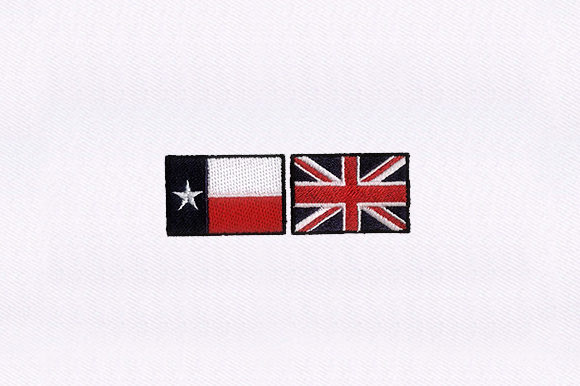
Texas and Jack Flag: A Designer's Review for Real Projects
As an embroidery designer who spends more time staring at stitch maps than most people spend on their phones, I am always cautious about new downloads. When I stumbled upon the Texas and Jack Flag design on Creative Fabrica, my immediate reaction was one of curiosity mixed with professional scrutiny. We all know that a pretty preview image does not always translate to a smooth run on the machine. This review breaks down how this specific machine embroidery design holds up when moved from the digital screen to actual fabric, specifically for those of us looking to create sellable goods or high-quality personalized gifts.
First Impressions and Visual Mood
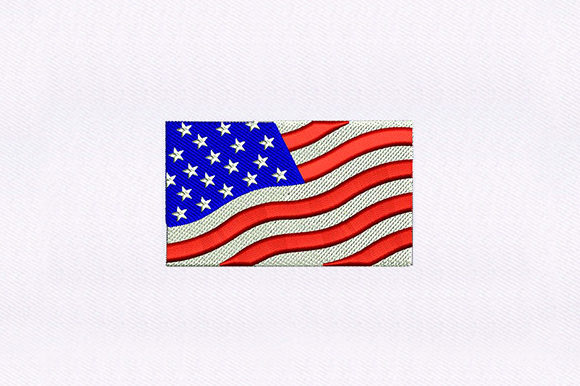
The first thing that strikes me about the Texas and Jack Flag is its bold, patriotic aesthetic. It captures a specific mood that blends regional pride with national spirit, making it a versatile asset for a wide range of projects. Visually, the design appears to rely on strong lines and distinct color blocking, which suggests a mix of satin stitch for the borders and text, and potentially fill stitch for the flag areas. This combination is crucial because it dictates how the light plays off the finished piece. A design that is too flat can look cheap, while one with good texture adds perceived value.
For designers targeting the Independence Day market or customers looking for Southern-themed decor, this design hits the right notes without feeling overly cluttered. The "personality" of the stitching seems clean and defined, which is essential when working on smaller items where detail can easily get lost. However, before committing to a full production run, one must consider how these visual elements translate to different mediums.
Real-World Application Scenarios
In my shop, I constantly evaluate whether a new digital embroidery file can be adapted for multiple products. The Texas and Jack Flag shines in several key areas:
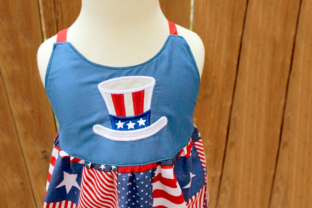
- Custom Apparel: This design is a natural fit for sweatshirt embroidery. Placed on the left chest or as a larger back graphic, the bold colors stand out well against heather grey or navy fabrics.
- Tote Bags and Aprons: For canvas tote bags or kitchen aprons, the durability of the stitch pattern is key. If the design utilizes proper underlay and density, it can withstand the friction of daily use.
- Embroidered Patches: Given the distinct outline potential, this could be excellent for creating iron-on or sew-on patches, a popular item for Etsy sellers and craft fair vendors.
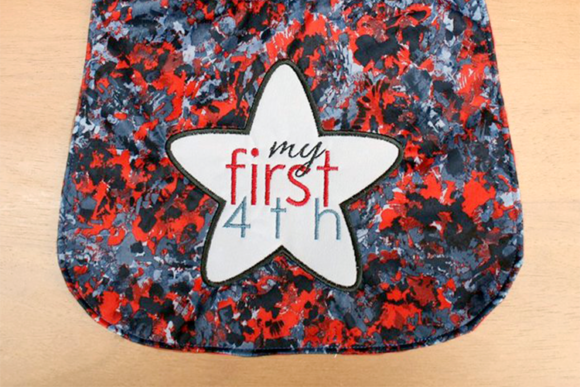
- Nursery and Home Decor: Pillow covers and baby blankets benefit from designs that are visually striking but not overly aggressive. The thematic nature of the flag makes it a great centerpiece for a themed nursery.
When considering commercial embroidery applications, versatility is king. Being able to offer this design on a cap, a towel, and a shirt allows you to maximize the return on your design investment. It serves as a strong foundation for a cohesive product line.
Technical Considerations for Execution
While the preview looks promising, the real test lies in the technical execution. As a professional, I have to look past the aesthetics and ask hard questions about stitch performance. Here is what you need to consider before hooping up your machine:
Fabric and Hoop Constraints
One of the most critical factors is the hoop size. Without specific dimensions listed in the brief description, it is vital to check the product details on the Creative Fabrica page immediately. If the design is large, it may not fit in a standard 4x4 hoop, limiting its use on caps or small pockets. Conversely, if it is scaled down too much for a small hoop, fine details like the stars or thin lettering might merge together, resulting in a muddy finish.
Fabric choice also plays a massive role. On stretchy fabrics like jersey knits used for t-shirts, you must use a high-quality cut-away stabilizer to prevent distortion. For textured fabrics like towels or canvas, a water-soluble topper might be necessary to keep the running stitch elements from sinking into the pile. Dark fabrics present another challenge; you must verify that the design includes enough coverage so the background fabric does not peek through the lighter thread colors.
Stitch Density and Durability
Dense stitch areas can be beautiful, but they can also cause puckering if not managed correctly. If the Texas and Jack Flag features heavy fill regions, I recommend testing on scrap fabric first. Check the stitch density settings in your software if you have the ability to edit the file. For items that will see frequent washing, such as kitchen towels or children's clothing, the integrity of the satin columns is paramount. Poorly digitized satin stitches can snag or unravel over time, leading to customer complaints and returns.
Additionally, consider the curvature of the item. If you plan to embroider this on a structured cap, ensure the design is not too wide, as the curve of the brim can distort the image. Layered details should be inspected closely after the first test run to ensure registration is accurate between color stops.
Enhancing Product Value and Brand Trust
Ultimately, the goal of using a premium embroidery file is to elevate the perceived value of your handmade product. A crisp, well-executed Texas and Jack Flag design signals professionalism to your buyers. It tells them that you care about quality, which builds brand consistency and trust. In the world of online selling, your product photography is everything. A design with vibrant thread colors and clean edges photographs beautifully, increasing click-through rates on platforms like Etsy.
Furthermore, this design offers excellent potential for creating printable mockups before you even stitch a single thread. Having high-quality design assets allows you to list items as "made to order," reducing inventory risk while gauging customer interest. Whether it is marketed as a personalized gift for a father's day present or a festive item for a summer celebration, the emotional connection of the imagery drives engagement.
Final Verdict and Best Practices
The Texas and Jack Flag appears to be a solid contender for your design library, provided you take the necessary precautions. It offers a blend of style and utility that fits well within the current market trends for patriotic and regional themes. However, success lies in the preparation.
Before launching this design in your shop, follow these essential steps:
- Verify File Details: Always check the specific file formats (PES, DST, JEF, etc.) and hoop requirements on the product page to ensure compatibility with your machine.
- Review Licensing: Confirm the licensing terms on Creative Fabrica. Ensure you are compliant regarding the number of physical items you can sell if you are a commercial user.
- Test Stitch Out: Never skip the test phase. Stitch the design on the exact fabric you intend to sell. Check for pull, puckering, and thread breaks.
- Optimize Thread Colors: Compare the default thread chart against your inventory. You may need to adjust colors to match your brand palette or to ensure better contrast on specific fabric shades.
- Inspect Small Details: After stitching, examine the small elements under good lighting. Trim any jump threads carefully to maintain a polished look.
In conclusion, the Texas and Jack Flag has the potential to be a workhorse in your embroidery business. By approaching it with a critical eye and adhering to best practices for stabilizer use and fabric selection, you can transform a simple digital download into a high-margin, customer-loved finished product. Happy stitching!