Yorkshire Terrier: A Craft Fair Best-Seller Review
As an experienced embroidery designer preparing for a busy weekend at the local craft fair, I spend a lot of time evaluating which machine embroidery design files will actually move off the table. It is not just about what looks cute on a screen; it is about what stops a customer in their tracks when they are walking past a booth filled with handmade goods. Today, I am reviewing the Yorkshire Terrier design to see if it has the potential to become a staple in my inventory of craft fair product offerings. This specific file promises high quality and versatility, claiming it will look great on any fabric or clothes. Let's dig into whether this Dogs category asset lives up to the hype for a serious Etsy seller or boutique maker.
First Impressions and Market Appeal
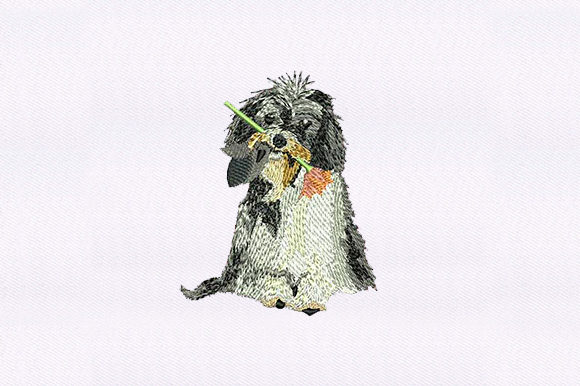
The moment I pulled up the preview for the Yorkshire Terrier, the vibe was immediately clear: this is a charming, approachable design that leans heavily into the "cute" and "personal" aesthetic. For a handmade product line, this is gold. Dog lovers are a passionate demographic, and Yorkshire Terrier owners, in particular, are known for their devotion to the breed. The design feels soft and decorative rather than overly modern or minimalist, which makes it perfect for the current trend of cozy, home-centric goods. It does not scream "luxury fashion," but it whispers "thoughtful gift," which is exactly what we need for impulse buys at a market stall. The visual appeal here relies on recognition; a customer sees the silhouette or details of their favorite breed, and an emotional connection is made instantly.
Product Versatility and Display Strategy
When setting up my booth, I need items that show off the embroidery file in different contexts. The Yorkshire Terrier shines brightest on specific small shop product categories. First, consider the tote bag design potential. A canvas tote with this dog stitched prominently on the front is a classic seller. The design likely has enough detail to stand out against a neutral fabric, making it a strong focal point. Similarly, apron embroidery is a fantastic application. An apron featuring a Yorkie appeals to home cooks who love their pets, turning a utilitarian item into a conversation starter.
I also see huge potential for tea towel embroidery. Kitchen textiles are low-cost entry points for customers, and a set of towels with dog motifs often sells as a bundle. However, one must be careful with fabric texture; waffle weave or highly textured linens can sometimes obscure fine details, so testing is crucial. For higher margin items, an embroidered patch version of this design could be applied to denim jackets or caps. Patches are excellent because they allow customers to customize their own gear, adding value without requiring me to stock dozens of finished garment sizes. Finally, pillow covers and small fabric pouches make excellent finished product options for gift-givers looking for something unique.
Production Practicality and Batch Efficiency
From a production standpoint, the viability of the Yorkshire Terrier depends on its stitch density and clarity. If the design is too dense, it can cause puckering on lighter fabrics like tea towels or thin cotton pouches. Conversely, if it is too sparse, it might look unfinished on heavy canvas totes. The description states it is "high-quality," which usually implies a good balance, but as a professional, I never assume. For batch production at a craft fair, repeatability is key. Can I hoop, stitch, and trim this design quickly? If the thread colors are standard and the run time is reasonable, this becomes a profitable commercial embroidery asset. It photographs well for printable mockup creation, which is essential for updating my online Etsy listings between market days.
The design works well as both a small accent on a cap brim or a large focal design on a tote bag back. This flexibility allows me to maximize the use of a single digital embroidery file across multiple price points. However, attention must be paid to how it performs on curved surfaces like caps. If the design has large solid fill areas, it might distort on the curve of a hat unless the underlay and pull compensation are perfectly tuned.
Critical Considerations for Execution
Before committing to a full production run, there are several "careful-use" notes every designer should heed with a breed-specific design like this. First, watch out for tiny details. Yorkshire Terriers have distinct facial features and silky fur textures. If these are rendered in very small stitches, they may lose clarity when scaled down for a small pouch or patch. Always check the legibility of fine lines before stitching on dark fabric, where contrast can sometimes get lost if the thread choice isn't vibrant enough.
Additionally, consider the hoop size requirements. While the description suggests versatility, ensure your machine's hoop capacity matches the intended product size. Using the right stabilizer is non-negotiable; a cut-away stabilizer is often safer for garments that will be washed frequently, while tear-away might suffice for decorative wall hangings. Do not guess on these technical specs. Since the provided description does not list exact stitch counts, file formats, or specific license terms, you must verify these details with the vendor before selling. Commercial licensing is especially critical; ensure you have the rights to sell finished product items made with this design.
Final Verdict for the Handmade Entrepreneur
The Yorkshire Terrier design holds significant promise for boosting buyer engagement at a craft fair. Its strength lies in its emotional resonance with dog owners and its adaptability across various design assets like bags, linens, and accessories. It enhances brand consistency if your shop focuses on pet lovers or home goods, adding a touch of personality that mass-produced items cannot replicate. To succeed, treat this file with the respect it deserves: test it on scrap fabric first, compare it against different fabric colors to ensure pop, and create at least one real physical mockup for your display table. When executed with care regarding stitch density and material choice, this Embroidery design can transform simple cloth into a cherished keepsake, driving sales and building a loyal customer base for your creative business.