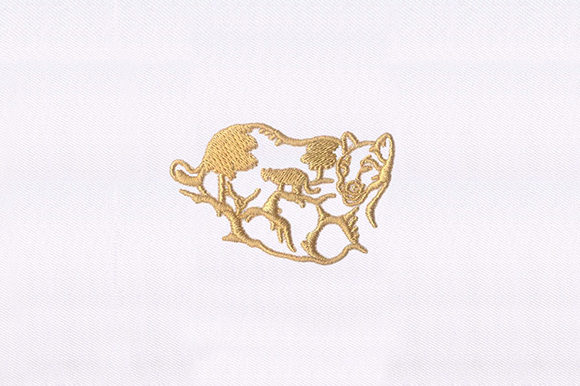
Mountain Cat Line Art: A Craft Fair Designer's Review
As an embroidery designer preparing for a busy weekend at the local artisan market, my table space is premium real estate. Every item I display must earn its place by catching the eye of a passing customer within seconds. This week, I am evaluating the Mountain Cat Line Art design to see if it deserves a spot on my best-selling tote bags and kitchen linens. In the world of handmade product creation, first impressions are everything, and this design immediately strikes a chord with its minimal yet expressive aesthetic.
The initial visual impact of Mountain Cat Line Art is undeniably modern and rustic. It avoids the clutter often found in complex fills, opting instead for clean lines that suggest form without overwhelming the fabric. This "less is more" approach feels incredibly current, appealing to buyers who love farmhouse decor but want something slightly more contemporary. For an Etsy seller or boutique maker, this versatility is gold. The design does not scream; it whispers elegance, making it suitable for a wide demographic ranging from young adults looking for trendy accessories to home decorators seeking subtle accents.
Visual Appeal and Product Versatility
When imagining this machine embroidery design on various substrates, the possibilities for a craft fair product lineup are extensive. The simplicity of the line work means it translates beautifully across different textures. On a natural canvas tote bag design, the stitching stands out crisp and clear, offering that coveted organic look that sells well at markets. Similarly, for apron embroidery, the design adds a touch of personality to a utilitarian item without making it look like a costume piece.
I am particularly excited about how this design performs on tea towel embroidery. Linen and cotton waffle weaves can sometimes swallow up dense designs, but the open nature of Mountain Cat Line Art allows the fabric texture to breathe. This creates a high-end, boutique feel that justifies a higher price point. Furthermore, the design scales remarkably well. It works as a large focal point on a pillow cover or market bag, yet it retains its clarity when reduced for a small embroidered patch or a fabric pouch. This scalability is crucial for batch production, allowing me to create a cohesive family of products under one theme.
Production Practicality for Small Shops
From a production standpoint, time is money. A design that stitches quickly and cleanly is essential for maintaining inventory levels before a big show. Mountain Cat Line Art appears to be optimized for efficiency. Because it relies on line work rather than heavy satin columns or complex fill patterns, the risk of thread breaks or bird nests is significantly lower. This reliability makes it an excellent choice for commercial embroidery runs where consistency is key.
However, every designer knows that even simple designs require careful planning. When working with this digital embroidery file, attention must be paid to the stitch density. While line art is generally lighter, ensuring the lines are thick enough to cover the fabric without being too bulky is vital. On thicker materials like denim caps or structured bags, the needle penetration needs to be smooth. If the lines are too fine, they may get lost in the weave of a textured towel or disappear entirely on dark fabrics if the thread colors do not offer sufficient contrast.
Strategic Display and Customer Engagement
In a crowded marketplace, your booth display is your silent salesperson. Mountain Cat Line Art excels here because of its graphic quality. It photographs exceptionally well for printable mockup creation and social media promotion prior to the event. The clean lines translate perfectly to Instagram stories and Pinterest pins, driving traffic to your small shop product listings. At the physical booth, placing this design on neutral-colored items allows the stitching to pop, drawing customers in for a closer look.
Customer engagement often hinges on relatability. Cat lovers are a passionate niche, and a design that captures the essence of a feline without being overly cartoonish has broad appeal. It feels like a piece of art rather than just a logo. This perception increases the perceived value of the finished product. Customers are more likely to view an item with this design as a unique piece of home decor or a thoughtful gift, rather than a mass-produced commodity.
Critical Considerations for Execution
Before committing to a full production run, there are several technical factors to verify. Since specific file details like exact stitch count or recommended hoop size were not provided in the base description, it is imperative to check the accompanying documentation or preview the file in your editing software. Always test the design on scrap fabric that matches your intended sale items. Pay close attention to how the design handles on curved surfaces, such as the front of a cap, where distortion can occur if the digitizing isn't robust.
- Fabric Contrast: Ensure you select thread colors that stand out against both light and dark fabrics. A black line on a navy tote might vanish in low lighting.
- Stabilizer Selection: Even with line art, using the correct stabilizer is non-negotiable. A cut-away stabilizer might be necessary for stretchy knits to prevent puckering over time.
- Detail Clarity: Inspect the smallest details of the cat's features. If the design includes tiny whiskers or facial markings, ensure they do not merge into a blob when stitched at smaller sizes.
- Licensing Verification: Always confirm commercial licensing terms before selling finished goods. Ensure the design assets you purchased allow for unlimited physical sales.
Ultimately, Mountain Cat Line Art represents a smart investment for creative entrepreneurs. It balances aesthetic trendiness with production practicality. Whether you are stocking up for a holiday fair or refreshing your online store, this design offers the flexibility to create a diverse range of Cats themed Embroidery products that feel cohesive and professional. By focusing on high-quality execution and strategic placement, this design can become a staple in your portfolio, driving sales and enhancing your brand's reputation for quality handmade goods.