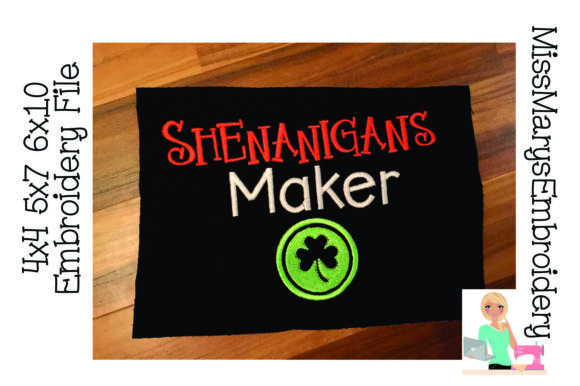
Shenanigans Maker: A Craft Fair Seller's Review
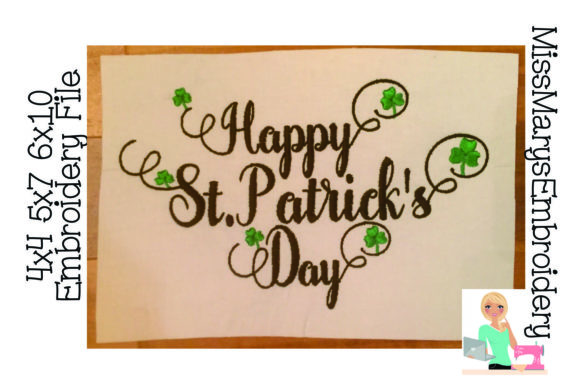
As an embroidery designer who spends more time at the hoop than anywhere else, I approach every new digital embroidery file with a critical eye. It is not just about whether the design looks cute on a screen; it is about whether it will sell on a crowded craft fair table. When I first loaded the Shenanigans Maker design, my immediate thought was about its potential for the upcoming St Patrick S Day rush. This isn't just another clover; it is a statement piece designed to catch the eye of browsers looking for something fun and festive.
First Impressions and Market Appeal
The title alone suggests a playful, slightly mischievous vibe that fits perfectly with the spirit of the holiday. In the world of handmade product sales, personality sells. Customers at markets are tired of generic, mass-produced items. They want something that feels curated and unique. Shenanigans Maker delivers this by offering a design that feels bold yet accessible. Whether you interpret it as farmhouse chic or modern funny, the versatility allows it to fit into various booth aesthetics.
For an Etsy seller or boutique maker, visual appeal is everything. This design has the kind of clarity that photographs well for online listings and printable mockup creation. The lines appear distinct, which is crucial when customers are scrolling quickly through search results. If a design loses its definition in a thumbnail, it rarely gets clicked. Shenanigans Maker seems to maintain its integrity even at smaller scales, making it a strong candidate for social media promotion.
Product Versatility for Your Booth Display
When preparing a table display for a weekend craft fair, variety is key. You need items at different price points, from impulse buys to premium gifts. Here is how I see Shenanigans Maker performing across different craft fair product categories:
- Tote Bags and Market Bags: This is likely the strongest application. A large format of the design on a natural canvas tote creates an instant bestseller. The contrast of green thread against neutral fabric makes the "shenanigans" message pop.
- Apron Embroidery: Kitchenware is huge during holidays. An apron featuring this design appeals to the host or hostess looking to add humor to their St Patrick S Day party prep.
- Tea Towel Embroidery: These are excellent low-cost add-ons. However, you must be mindful of the fabric texture. Terry cloth or waffle weave can distort fine details, so test the stitch placement carefully.
- Embroidered Patch: Creating iron-on patches allows customers to customize their own jackets or jeans. This extends the life of your inventory beyond the holiday itself.
- Caps and Hats: While popular, curved surfaces are tricky. Ensure the design fits within the specific curvature of your cap frames without distortion.
- Pillow Covers and Pouches: These make great giftable handmade items. A small zippered pouch with this motif is a perfect stocking stuffer or small gift.
Production Practicality and Batch Efficiency
From a production standpoint, time is money. A design that requires constant thread changes or excessive trimming kills profit margins. Shenanigans Maker appears to be structured for efficiency. The description notes it is available in 3 hoop sizes, which is a significant advantage. This flexibility means you can run multiple items in a single hooping session or scale the design up for a focal point on a blanket and down for a pocket accent.
The availability of multiple embroidery file formats ensures compatibility with various machine brands, reducing technical headaches before a big market. For commercial embroidery operations, repeatability is vital. If the design runs cleanly without frequent breaks or bird nests, you can batch produce dozens of units in a day. The visual weight of the design suggests it works well as both a small accent on a cuff or a large focal design on a back panel.
Critical Considerations for Quality Control
While the potential is high, a professional review must address the risks. Not every fabric plays nice with every design. Before committing to a full production run of small shop product inventory, consider these careful-use notes:
- Stitch Density: Check the density settings. If the design is too dense for lightweight fabrics like linen tea towels, it may cause puckering. Always use the appropriate stabilizer to counteract pull.
- Tiny Details: Look closely at any small lettering or intricate elements. On textured towels or thick denim, tiny details can get lost or merge together. Ensure the thread colors provide enough contrast against the base fabric.
- Dark Fabric: If stitching on black or navy, verify that the underlay is sufficient to prevent the background fabric from showing through the green threads.
- Curved Surfaces: For caps, ensure the design does not exceed the maximum width of your cap frame. Distortion on curved surfaces can make text unreadable.
- Size Limitations: Just because a file exists in a small size doesn't mean it will look good there. Evaluate if the design loses clarity when resized to the smallest hoop option.
Maximizing Buyer Engagement
The ultimate goal of using Shenanigans Maker is to drive sales and enhance brand consistency. A cohesive booth display where this design appears on matching sets—like a towel, apron, and tote—creates a powerful visual narrative. It signals to the buyer that you are a serious creator with a curated collection. This perception increases the perceived value of your finished product.
Customer attention is often grabbed by humor and relatability. The phrase "Shenanigans Maker" invites a smile, making it an easy conversation starter at your booth. When a customer stops to chuckle, you have the opportunity to explain your process, highlight your handmade quality, and close the sale. Furthermore, for digital sellers, offering this as part of a bundle of design assets can attract other makers looking for reliable files.
Final Designer Notes and Recommendations
Before you list this on Etsy or load it onto your machine for a market run, follow these essential steps. First, test the design on scrap fabric that matches your final product material. Do not skip this step; seeing the actual stitch-out reveals issues that screens cannot show. Second, check thread contrast physically. Screen colors often lie. Third, review spacing between elements to ensure no bridging issues occur during washing.
Confirm the hoop size requirements for your specific machine model. While the product description mentions three sizes, verify they align with your equipment capabilities. Inspect the stitch density visually after the test run; if it looks too heavy, consider editing the file or changing your stabilizer strategy. Create at least one real printable mockup or physical sample for your marketing materials. Finally, and most importantly, confirm commercial licensing terms. The description states it is a great file for St. Patrick's Day, but always ensure you have the right to sell finished goods made from the machine embroidery design.
In conclusion, Shenanigans Maker holds strong potential for craft fair success. Its blend of festive spirit and practical application makes it a versatile asset for any embroidery business. With proper testing and strategic product selection, this design can be a standout performer in your spring lineup.